







Search Results for: San Román processing plant
A Complete Guide to Costa Rica San Román Pour-Over Parameters, Flavor Characteristics, and Regional Background
Costa Rican San Ramon coffee is known for its berry aroma, caramel sweetness, and robust body. This article compiles the pour-over extraction data for Front Street Costa Rican San Ramon and systematically introduces the historical status of Costa Rican coffee, the distribution of its seven major producing regions, the washed processing method of the San Ramon processing plant, and product information for Front Street Royal Coffee. From 15 grams of grounds, a water temperature of 88-89°C, to a 1:15 coffee-to-water ratio, this brewing method does a good job of bringing out San Ramon's creamy sweetness and subtle spicy finish, making it suitable reading and reference for enthusiasts who want to gain a deeper understanding of Costa Rican specialty coffee. [more…]
Analysis of the Flavor, Origin Background, and Pour-Over Brewing Plan for Costa Rica Tarrazú San Román Washed Coffee Beans
Costa Rica's Tarrazu region is renowned for its exceptional natural conditions and is widely recognized as a top-tier coffee-producing area. The San Roman processing plant, located in this region, primarily uses the washed process, and its coffees display intense, rich flavor profiles with a full body. Front Street Coffee's Costa Rica San Roman Royal Coffee comes from here, and after medium-dark roasting it presents a complex aroma of berries, caramel, cream, and delicate spices. This article will outline the terroir background of the Tarrazu region, the graded fermentation process at the San Roman processing plant, and the development trajectory of Costa Rica's coffee industry, along with the specific parameters for Front Street's pour-over brewing of this bean for coffee enthusiasts' reference. [more…]
Costa Rica Tarrazu San Ramon Washed Beans: A Flavor Story from Mill to Cup and Brewing Parameters
Costa Rica is the first country in Central America to cultivate coffee. Over two centuries, its volcanic terroir and microclimates have nurtured world-class quality. This article takes you into the San Román processing plant in the Tarrazú region to understand how its washed process shapes a thick, full-bodied sweetness reminiscent of bitter-sweet chocolate and butterscotch, along with a restrained wine-like acidity. It also shares Front Street Coffee's manual brewing parameters and provides an overview of Costa Rica's seven major coffee regions and the industry at large. Whether you want to understand the processing plant revolution or are looking for your next everyday daily brew, this article has you covered. [more…]

A Detailed Guide to the Flavors of Guatemala's Eight Major Coffee Regions: Cupping Characteristics from Acatenango Valley to Volcán San Marcos
Guatemala is an important specialty coffee-producing country in Central America, with eight distinct coffee regions distributed across its territory. In April 2010, Mr. Eduardo Ambrocio of the Guatemalan Coffee Company gave a detailed introduction to these regions to an audience at the SCAA Houston exhibition and presented coffee samples from all eight regions. Based on these sample materials, this article examines one by one the altitude, soil, climate, and processing methods of the eight major regions—Acatenango Valley, Antigua, Traditional Atitlán, Rainforest Cobán, Huehuetenango Highlands, Highland Wet Highlands, New Oriente, and Volcanic San Marcos—and includes the cupping flavor characteristics of the coffee from each region. For friends who love Guatemalan coffee, Front Street Coffee will also recommend a few beans worth paying attention to, helping everyone more intuitively experience the flavor differences among the various regions. [more…]
Flavor Analysis of Honduras San Vicente Mill Pacas Coffee Beans and V60 Brewing Parameters Guide
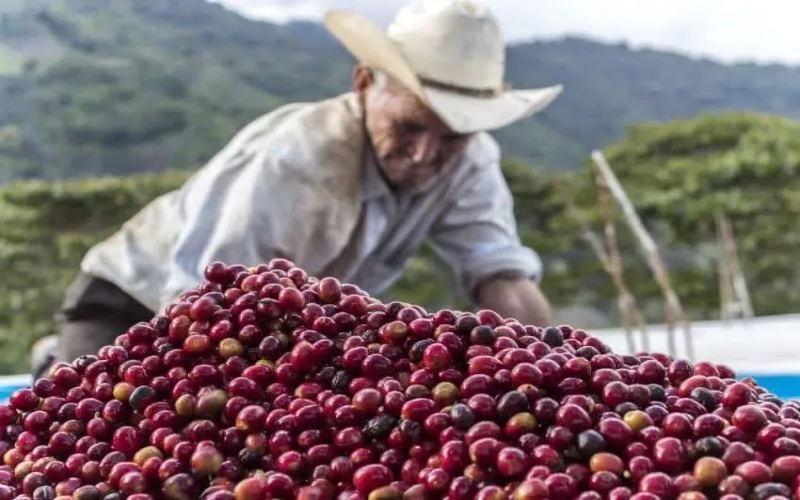
The Copán region of Honduras is renowned for its chocolate-toned profile blended with honey-caramel sweetness, and the San Vicente processing plant is a frequent winner at the Cup of Excellence. The Pacas coffee beans cupped by Front Street Coffee this time come from smallholder Edgardo Tinoco near the San Vicente processing plant; after washed processing, they present a rich layering of black cherry, dark chocolate cake, almond and caramel. This article will sort through information on the Honduran growing region, the background of the San Vicente processing plant, the characteristics of the Pacas variety and the washed processing flow, and share Front Street's roasting records, cupping reports and V60 staged pouring insights, helping coffee lovers fully understand this bean's flavor thread and brewing key points from origin to cup. [more…]
Flavor Comparison of Guatemalan Coffee Regions: An Analysis of the Bean Differences Between Antigua and Huehuetenango
The highlands of Guatemala nurture one of the world's finest coffees, with the two major regions of Antigua and Huehuetenango each possessing distinctive characteristics. The Antigua basin is surrounded by volcanoes, and its coffee often carries complex layers of smoky, spicy, and chocolate-like notes; Huehuetenango, because it is exposed to a humid oceanic climate, has a softer and rounder mouthfeel. This article provides an in-depth comparison of the terroir, varieties, and processing differences between the two regions, along with recommendations from Front Street Coffee, to help enthusiasts clarify their purchasing approach. [more…]
Introduction to the Coffee Bean Varieties of Guatemala's Huehuetenango Region: Pour-Over Flavor and Taste Characteristics
Guatemala is a flagship coffee-producing country in Central America, often described as having a smoky "uncle-style" flavor, but this smokiness comes from the terroir rather than artificial additives, and combined with nutty and chocolate notes, it is full of charm. The country is home to producing regions such as Antigua, Huehuetenango, Copán, San Marcos, Atitlán, Acatenango, Fraijanes, and New Oriente, each with its own unique climate and soil conditions. Among them, Huehuetenango is known for its rich fruity flavors, while Antigua is famous for its light smokiness and deep fruity aroma. Front Street Coffee's Huehuetenango everyday drinking beans and La Minita La Flor del Café represent the classic styles of these two regions, respectively. This article will go through the characteristics of each region one by one and share brewing ideas and specific parameters for the La Flor del Café beans. [more…]
A Complete Analysis of the Flavors of Guatemala's Eight Major Regions: Tasting Notes of Finca El Llano Guayaba Wine-Process Natural SL28
Guatemala, with its sprawling mountain ranges and diverse microclimates, gives rise to eight major coffee regions, each with its own distinct style. This article begins with Finca El Guayabal in the New Oriente region, offering a detailed introduction to the varietal origins, processing details, and cupping performance of its winey natural SL28, and then systematically reviews the terroir characteristics and flavor profiles of each Guatemalan coffee region. Whether you are interested in regional knowledge or single-origin reviews, you will find a complete reference here. [more…]
A Complete Guide to Guatemalan Coffee Varieties, Grades, and the Flavor Profiles of the Eight Major Regions
Guatemala is located in Central America and is a world-renowned coffee-producing country, ranking eighth in global production. The term "Guatemala" originates from the Mayan language, meaning "land of forests." This land is hailed as the "jewel of the Central American crown" due to its volcanoes, lakes, and variable climate. Although the country is small, it nurtures eight distinctive coffee regions. This article will systematically review the altitude, soil, climate, processing methods, and cup profile of these eight regions: Antigua, Acatenango, Huehuetenango, San Marcos, Atitlán, Cobán Rainforest, Fraijanes Plateau, and New Oriente, and also explain the variety and grade classification logic of Antigua. Front Street Coffee will also combine the characteristics of these regions to provide coffee enthusiasts with bean selection references. [more…]
A Complete Guide to Honduran Coffee: Six Major Regions, Grading System, Bean Characteristics, and Front Street Coffee's Top Picks
Honduras is the largest coffee-producing country in Central America and a major global exporter of washed Arabica beans. Coffee here is known for its exotic spice-like aromas, rich nutty and chocolatey finish, and balanced complexity. Since its introduction in the late 18th century, Honduran coffee has gone through a tortuous journey from lagging behind to rising, and today it has six major regions including Copán and Opalaca, as well as a strict grading system based on altitude and defect rate. This article will give you a comprehensive understanding of Honduras coffee's geographical conditions, development history, regional distribution, processing methods, and main varieties, and introduce specialty coffee beans selected by Front Street Coffee, such as Sweet Orange Estate, Mocha Estate Sherry, and Lychee Orchid. [more…]
Guatemalan Coffee Brewing Log and Full Analysis of Five Major Regional Terroirs: From the Clever Dripper to the Antigua Origin
This article documents two brewing comparisons of Front Street Guatemalan coffee beans in a Clever Dripper, detailing the differences in flavor and adjustment approaches from grind setting and water temperature to pouring rhythm. The second round won out with a fuller mouthfeel and citrusy sweet aftertaste. It then systematically reviews the five major coffee-producing regions of Guatemala—San Marcos, Acatenango, Atitlán, Cobán, and Antigua—covering the altitude, harvest period, varieties, and terroir characteristics of each region, providing coffee enthusiasts with a reference note that combines practical brewing with producing-region knowledge. [more…]
Salvadoran Coffee Bean Origin Characteristics and Flavor Analysis: The Specialty Path from Bourbon and Pacas to Pacamara
Although El Salvador is the smallest country in Central America, it has nine major coffee-producing regions and a rich history of cultivation. From the introduction of coffee in the 18th century, to becoming a major exporter in the 20th century, and then suffering severe blows from civil war and leaf rust, Salvadoran coffee has experienced dramatic ups and downs. Today, Bourbon and Pacas remain the main varieties, while Pacamara has become a regular in the COE with its large beans and excellent flavor. Front Street Coffee takes you through the producing regions, varieties, and flavor characteristics of Salvadoran coffee, and shares brewing suggestions and tasting notes for Pacamara coffee beans. [more…]
An Analysis of the Flavor Characteristics of Guatemalan Coffee Regions and a Guide to Pour-Over Brewing Parameters
Guatemala's intertwined volcanic geology and tropical rainforests create microclimates that nurture coffees of remarkable complexity and elegant acidity. The country is divided into seven major producing regions, including Antigua, Cobán, and Atitlán, among which Antigua's smoky character and the Pacamara variety from El Injerto stand out in particular. The Flor coffee beans offered by Front Street Coffee come from the La Minita estate in Antigua, combining citrus and honey notes with a signature smokiness. This article will examine the terroir, history, and variety characteristics of each region one by one, and include the V60 three-pour hand-brewing method favored by Front Street Coffee's baristas, offering enthusiasts a complete reference from bean to cup. [more…]
A Complete Guide to El Salvador's Coffee Regions: Bourbon, Pacas, and Pacamara Flavors and Pour-Over Parameters
Although El Salvador is the smallest country in Central America by area, it has nine major coffee-producing regions and a rich diversity of variety resources. From its introduction in the 18th century to the present day, the coffee industry has weathered the shift away from indigo, the impact of civil war, and the onslaught of leaf rust, and is now known in the specialty coffee world for Bourbon, Pacas, and the hybrid variety Pacamara. This article will guide you through the historical development, main producing regions, and varietal characteristics of Salvadoran coffee, and, using Pacamara as an example, share Front Street Coffee's pour-over extraction parameters and flavor experience—ideal for coffee enthusiasts who want to gain a deeper understanding of the unique charm of this Central American producing country. [more…]
The Historical Context, Main Varieties, and Flavor Analysis of Pacamara in El Salvador's Coffee Regions
As the smallest country in Central America, El Salvador nonetheless boasts a rich diversity of coffee-producing regions and impressive specialty coffee performance. From its introduction in the 18th century to the present day, the coffee industry here has weathered the transition from the indigo economy, the impact of civil war, and the leaf rust crisis, while also giving rise to representative varieties such as Bourbon, Pacas, and Pacamara. Front Street Coffee will guide you through the rise and fall of El Salvador's coffee, exploring the distribution of its nine major producing regions and variety structure, and using a Pacamara washed bean from the Sonsonate Izalco region as an example to provide pour-over parameters and flavor descriptions, helping you gain a more systematic understanding of this country's coffee characteristics. [more…]
A Noble Bean Born of Volcanic Highlands: A Comprehensive Guide to Front Street Antigua Flower God and Guatemalan Coffee
Coffee arrived in Guatemala in 1750, and over more than two centuries it has developed into seven distinctive producing regions, including Antigua, Cobán, and Lake Atitlán, known overall for a mild, full-bodied character and elegant acidity. This article focuses on Front Street Coffee's signature bean, Antigua Flower God: this famous bean, belonging to the Raminita group, is grown in high-altitude volcanic terrain and handled by the region's top Pastores processing plant. From purchasing fresh cherries to washing, sun-drying, and drying, strict quality control is applied throughout, and the cup unfolds in layers of floral notes, cocoa bitterness, caramel sweetness, and a red wine finish, along with a signature smoky aroma, which is why it is called "cigarette coffee." The article also covers Guatemala's coffee export performance and the current state of the industry. [more…]
A Comprehensive Analysis of Guatemalan Coffee: Varieties, Processing Methods, and Flavor Characteristics of the Eight Major Regions and the Huehuetenango Highlands
Guatemala is located in the heart of Central America, where its volcanic terrain and high-altitude environment provide exceptional conditions for coffee cultivation, earning its beans a place among the world's finest. The country is divided into eight major coffee-producing regions, each offering a distinct flavor profile shaped by differences in soil, climate, and processing methods. Among them, the Huehuetenango Highlands are known for their dry climate and extremely high altitude, producing coffee with vinous aftertaste and bright acidity. This article systematically examines the historical development of Guatemalan coffee, its varieties and processing methods, and the characteristics of its eight major regions, offering a comprehensive understanding of this noble coffee nation. [more…]
A Beginner's Guide to Guatemalan Coffee Regions: Eight Well-Known Origins and Their Flavor Profiles Explained
Guatemala is an important coffee-producing country in Central America. Of its 22 departments, 20 grow coffee, with eight major regions—including Huehuetenango, Cobán, New Oriente, Atitlán, and Antigua—being the most well known. These regions fall into two broad categories, volcanic and non-volcanic, and thanks to high altitudes, volcanic soil, ample rainfall, and varied microclimates, they produce Guatemalan coffee with an elegant, lively acidity, a clean mouthfeel, and clearly layered flavors. This article starts from the geographical environment and climatic characteristics, introduces the growing conditions and coffee characteristics of each major region one by one, and recommends Front Street Coffee's entry-level selection of Guatemalan Huehuetenango washed coffee beans. [more…]
A Deep Comparison of Panama's El Burro Estate and El Mulo Estate: What Sets These Two Similarly Named Geisha Powerhouses Apart?
In the Boquete production region of Panama, there are two estates whose names sound extremely similar—Hacienda La Esmeralda and Elida Estate. Wait, that's not right. Let me reconsider. The estates are "驴子庄园" (Donkey Estate) and "骡子庄园" (Mule Estate). Both produce high-quality Geisha, yet they have completely different family backgrounds and historical origins. Front Street Coffee takes you through the ins and outs of these two famous estates one by one: Donkey Estate belongs to the Lamastus family, is managed by Wilford Lamastus, is located on the southwestern slope of Baru Volcano, and mainly cultivates Geisha and Catuai; Mule Estate was purchased by "Godfather of Geisha" Willem Boot in 2005, and got its name because he visited by riding a mule. Although small in area, it has won numerous awards. This article will compare the two estates' founding stories, terroir conditions, and cultivation details to help coffee lovers clarify these two easily confused Panamanian specialty estates. [more…]
A Complete Guide to the World's Twelve Great Specialty Coffee Regions: The Flavor Geography from Colombia to India
The flavor code of coffee is often hidden in the land where it grows. From the Andes in South America to the highlands of Africa, from the Caribbean islands to the archipelagos of Asia, each producing region shapes an unrepeatable landscape in the cup through its unique climate, altitude, and processing methods. This article will take you on a visit to twelve globally recognized high-quality coffee origins—Colombia's balanced smoothness, Ethiopia's wild wine-like aroma, Jamaica Blue Mountain's scarce legend, Yemen Mocha's complexity and variability, as well as the distinctive personalities of Kenya, Indonesia, Hawaii, and other places. Whether you are a beginner pour-over enthusiast or a seasoned player looking for your next bag of beans, this origin guide can help you build a clearer flavor coordinate system. Front Street Coffee will also accompany you in understanding the origins while finding the cup that suits you. [more…]